



15,000+
Soul-stirring Kirtans
Vast creation of heart-warming poetry, couplets and devotional songs.

10,000+ Hours of
Enlightening Lectures
Unparalleled treasure of Vedic wisdom through extensive divine discourses.

50,000+
Scriptural Quotations
Revealing his scriptural omniscience; quotes from 200 ancient texts.


Medical
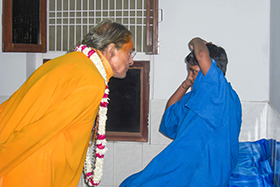
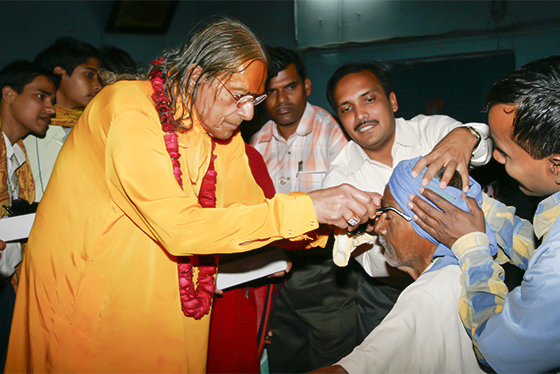
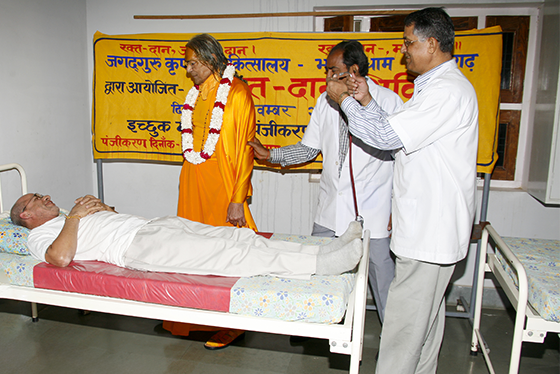
Three fully charitable hospitals, established in Shri Kripalu Dham Mangarh, Shri Vrindavan Dham, and Shri Barsana Dham, have transformed the lives of over 5 million people by providing completely free medical care to those who need it most.

Education
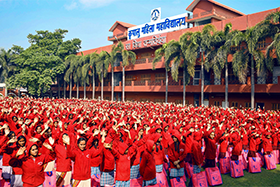
A fully charitable school, college in Kunda (U.P.) has empowered over 40,000 girls, right from primary to post-graduation, with free, high-quality education, opening doors to brighter futures in one of India’s most disadvantaged regions.

Relief Efforts
Ongoing charitable support through government-affiliated relief funds and widespread distribution of essential household items have brought vital assistance and dignity to countless low-income families.
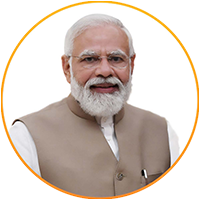
The great National identity and Saint of the highest order, Shri Kripalu Ji Maharaj, was a universal teacher who performed welfare not only of the nation, but the entire universe.
He was an exponent of universal brotherhood and inspired all towards the devotion of God without discrimination. He exhorted all for universal peace through his transcendental discourses. There was no sect, no cult and no disciple created by him. He gave respect to all and kindness to all; love and devotion to Shri Radha Krishna was the essence of his life.
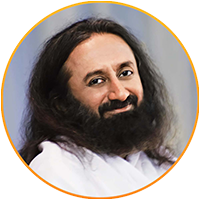
I am very happy that the Jagadguru Shri Kripalu Ji Maharaj Satsang Samiti is celebrating the Golden Jubilee of Maharaj Ji honoured as the Supreme Jagadguru. With His message of Krishna Love, Shri Kripalu Ji Maharaj has won the hearts of everyone around him.
His teachings of Divine Love and selfless service form a very strong basis for solving all the ills that plague our society today. The scriptural omniscience of Maharaj Ji and his liberal interpretation of the philosophies of other Jagadgurus and the Darshan Shastras have immensely enriched the rich spiritual treasures of this country.
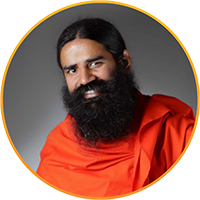
The most venerable Maharaj Shri was an unfathomable ocean of jnana and bhakti. He was an avatara purusha of the present age. He was the guardian of Indian dharma, philosophy, spiritualism, and culture and a living form of the great tradition of our ancient seers and sages, representing whom with all their attributes, he was a divine power for all times to come. There have been many Saints in the world who have been attributed with some or the other transcendental endowment, divine quality and greatness. But it was none other than Shri Maharaj Ji who was endowed with the profound wisdom of all our scriptures.
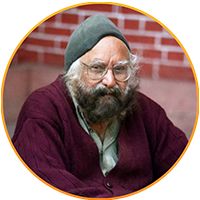
I am an agnostic but deeply interested in all religions. Like other people, I have been trying to find answers to three questions, 1. Where have we come from? 2. How should we conduct ourselves in the life given to us? 3. Where do we go when we die? In the quest for answers to these questions I read sacred texts, listen to talks given by holy men and scholars of religion. The one who impressed me above others is Kripaluji Maharaj. I am most impressed by what Kripalu Ji Maharaj has to say: his scholarship is profound, his memory of chapter and verse he quotes from world scriptures is phenomenal, he is lucid, his logic irrefutable and his manner of putting across his ideas most convincing he is in short my idea of a Jagadguru in the true sense of word.
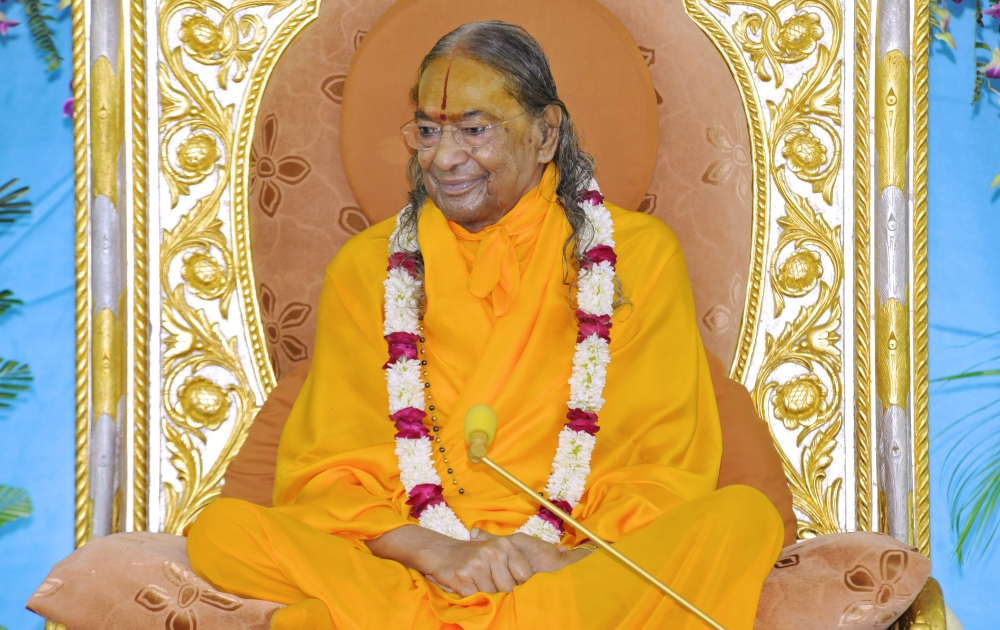
The Essence of Bhakti: Why True Devotion Begins in the Mind
What separates mechanical worship from real devotion? Drawing from the teachings of the Vedas, Jagadguru Shri Kripalu Ji Maharaj reveals the true essence of Bhakti – explaining why devotion of the mind is the sole vehicle for spiritual progress.

A Mischievous Pastime of Little Krishna
Little Krishna’s playful mischief – breaking a gopi’s pot, turns into a charming scene as He cleverly blames a monkey and teases her for “white lies.” Jagadguru Shri Kripalu Ji Maharaj narrates an endearing exchange with Mother Yashoda and reveals the profound irony of the gopis’ divine nature.
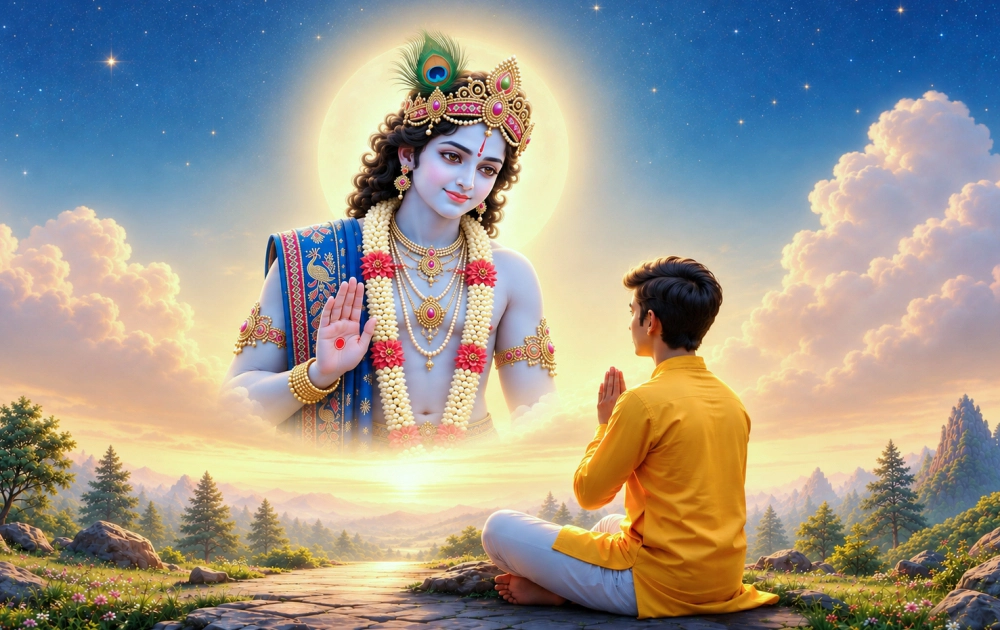
The Primary Duty of a Spiritual Seeker
The spiritual path promises everlasting bliss but fulfilling a seeker’s true duty comes down to one overlooked principle. If divine grace is truly unconditional, what is the primary duty of a spiritual seeker?