
Jagadguru Shri Kripalu Ji Maharaj

Latest from our Blog

KNOWLEDGE CENTER

Who is a True Jagadguru? The Unmatched Legacy of Jagadguru Shri Kripalu Ji Maharaj

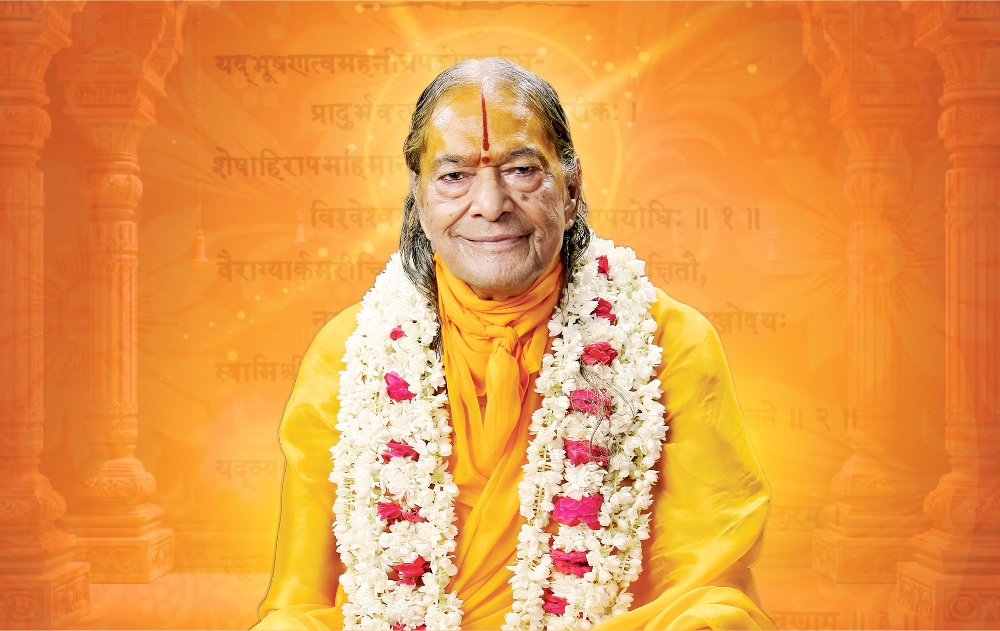
In the vast history of Sanatan Dharm, the title of Jagadguru is the ultimate pinnacle of spiritual authority, attained by only five saints in the last 5,000 years. The most recent, Jagadguru Shri Kripalu Ji Maharaj, did not inherit this honour; he earned it through an event that stands as a historical phenomenon. In 1957, facing the scrutiny of 500 eminent scholars in Kashi Vidwat Parishad, a 34-year-old saint displayed wisdom so profound it eclipsed centuries of collective learning.
Uncover the miraculous story of how a young saint stunned Varanasi and established a legacy of divine love that continues to guide millions today.

Read More »

The True Nature of Happiness

Can happiness be found in worldly objects and people? In this excerpt from the book – Prem Ras Siddhant, Jagadguru Shri Kripalu Ji Maharaj uses the parable of Umesh to explore this question. When Umesh ‘dies’ and later ‘returns,’ the reactions of those around him vary drastically—from devastation to relief.

If he were inherently a source of happiness, shouldn’t everyone feel the same loss? This narrative reveals that joy and sorrow are not intrinsic to the world but rooted in our own self-interest. Discover the spiritual secret behind our emotions and learn to transcend material dualities. Read the full article to uncover the true nature of happiness.

Read More »

The Science of ‘Roopdhyan Meditation’

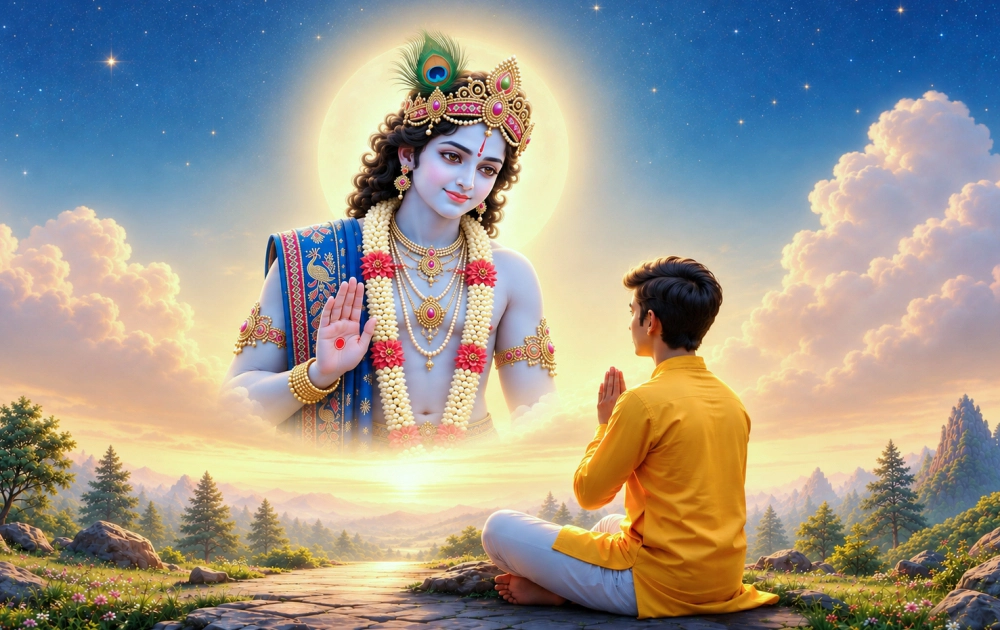
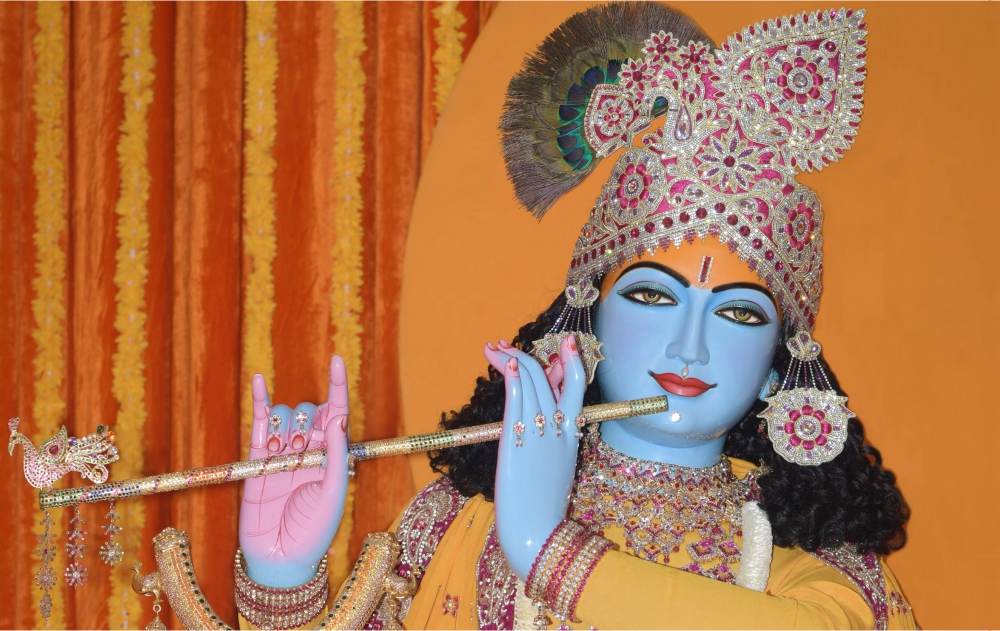
The science of Roopdhyan — as taught in the Vedas, the Upanishads, the Bhagavad Gita, the Srimad Bhagavatam, the Ramcharitmanas, the Narada Bhakti Sutra, the Padma Purana and other scriptures — is an indisputable, established principle. It proclaims that the Supreme — the most complete Purushottam manifested as Shri Ram and Shri Krishna — is both the one attribute-less, formless divine Light and, for devotees, the sweetest personal form. In essence the Supreme is nirguna and nirākāra, but for the sake of mercy and love He manifests as the highest saguna, the personal God who can be known and loved.

Read More »

Types of Bhakti

Devotional practices (Bhakti) take many forms. The Bhagavatam alone mentions thirty types of devotion. Besides these, there are millions of other types of devotion. However, Shukadev Paramhans emphasized three main forms of devotion to Parikshit. These are the same three that Jagadguru Shri Kripalu Ji Maharaj teaches us — śrotavyaḥ (listening to subject matter related to God), kīrtitavyaś ca (singing kirtans), and smartavyaś cec chatā bhayam (remembrance).

Read More »

Significance of Gopashtami

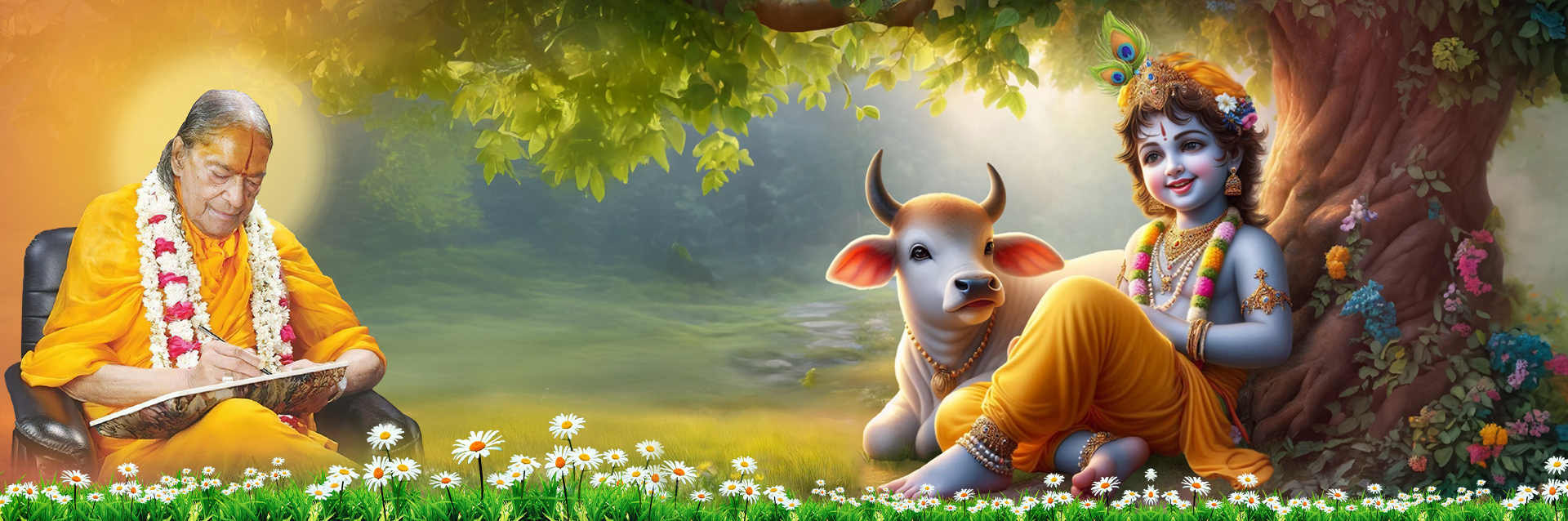
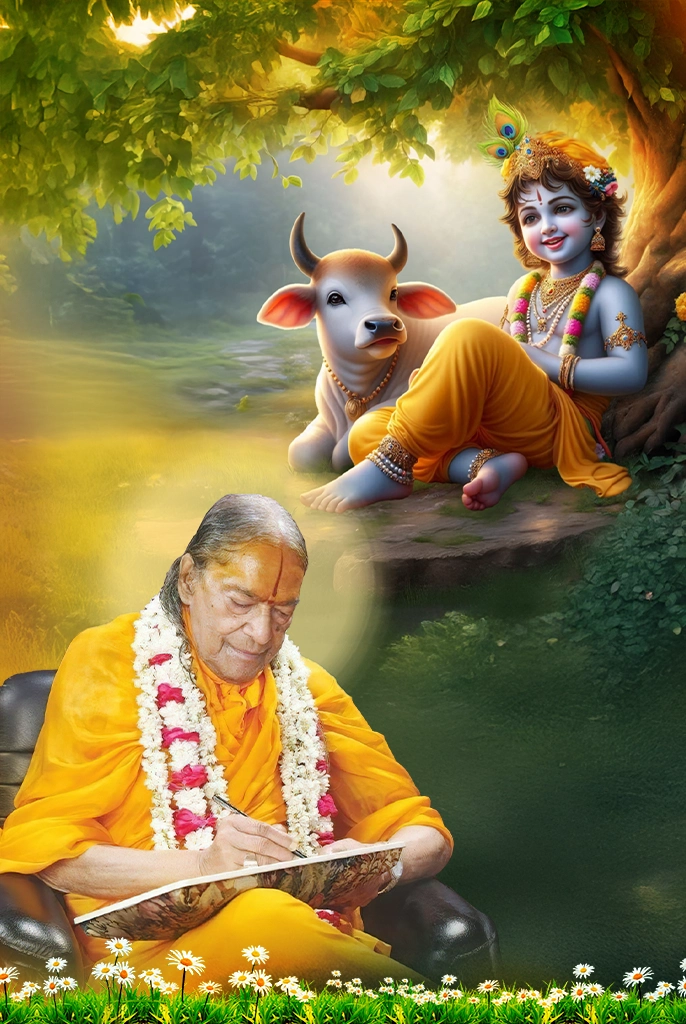
Gopashtami is one of the most divine and blissful festivals among all the pastimes of Shri Krishna. On this day, the Supreme Lord Shri Krishna began the divine pastime of herding cows in Braj for the very first time.

The connection between Lord Krishna and cows is profound and integral to His divine identity. The Gochāran Leela, where Shri Krishna grazes the cows in the lush pastures of Vrindavan, is a cherished theme in the poems and writings of rasik saints. Jagadguru Shri Kripalu Ji Maharaj beautifully describes this divine scene in one of his poems in his signature literary work “Prem Ras Madira.”

Read More »

Significance of Sharad Poornima

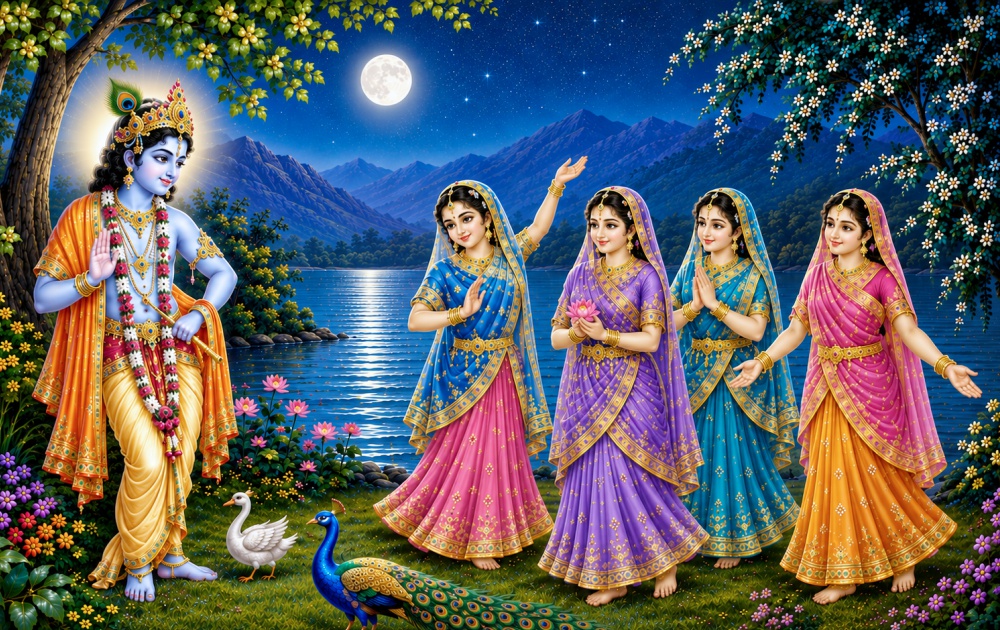
Of all the festivals that have existed since eternity, or will exist in the future, the crest jewel of all these festivals is the festival of Sharad Poornima. Why is this festival so special? It is on this night that Lord Shri Krishna performed the ‘Maharaas.’ To understand its significance, we look at the terms involved: One is ‘Ras’, Another is ‘Raas’. And yet another is ‘Maharaas.’ ‘Ras’ signifies the divine essence, and in this context, it refers to God Himself—Shri Krishna, the embodiment of ‘Ras.’ This is declared in the Vedas. When Lord Krishna bestows the essence of all ‘Ras’ upon individual souls, it is referred to as ‘Raas.’ However, when He engages in ‘Raas’ with countless Gopis, it is elevated to the realm of ‘Maharaas.’

Read More »
Previous

Bhakti Mandir

Next

Roopdhyan Meditation