
The Vedas, scriptures, and Puranas describe only three eternal realities — Brahm or God, the individual soul, and maya. No fourth entity has ever existed, nor will it ever exist. Then who is the Guru? Guru is not a separate entity. The Guru is a soul who has crossed maya, attained God, and is capable of guiding others and uniting them with God. Though originally a jivātmā, after God-realisation he becomes divine, equal to God, for he has attained the Supreme. Therefore “Gu” means maya, and “ru” means the remover of maya; the Guru is the one who dispels ignorance and reveals the Supreme Truth.
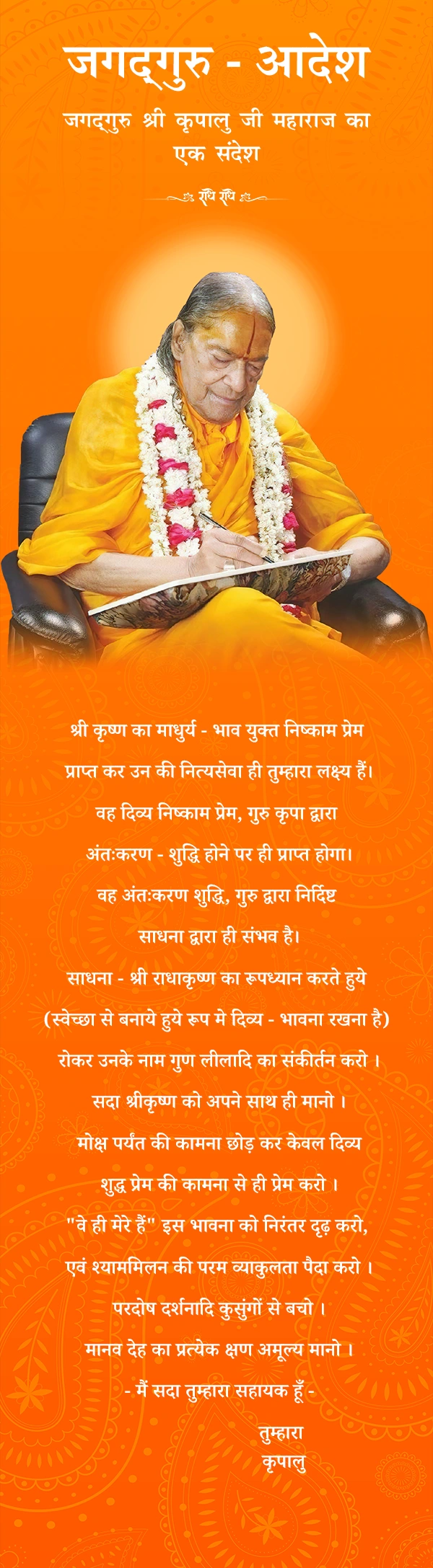
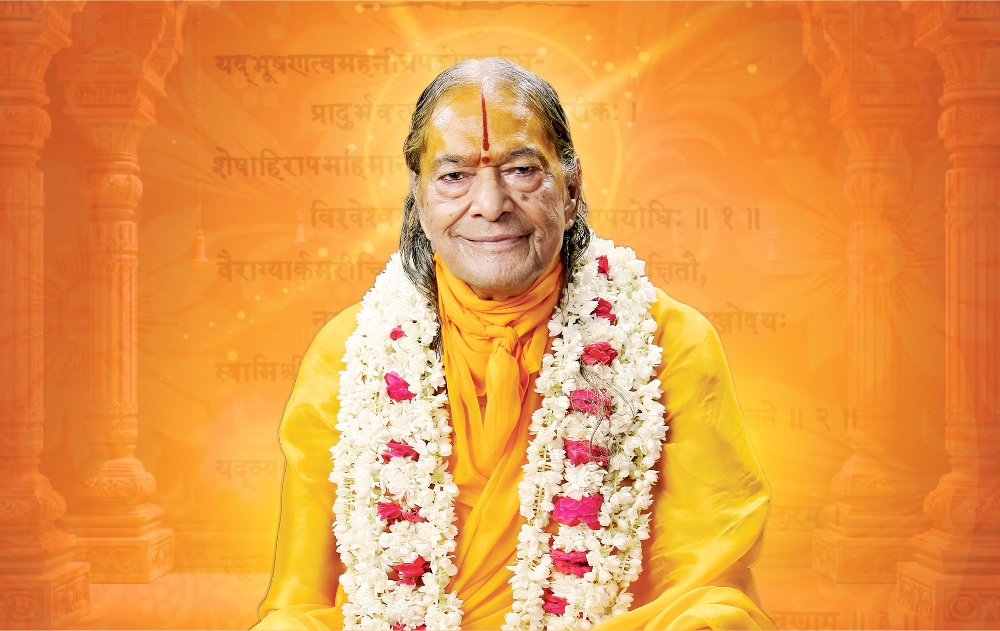
Jagadguru Shri Kripalu Ji Maharaj describes the greatness of such a Guru. The dust of his lotus feet, the water that has washed his feet, and the remnants of his food carry immense divine power and bestow Krishna-prem. Such is the glory of the Guru that even the Supreme Lord, Shri Krishna declares Himself to be under the control of His bhakt- aham bhakta-parādhīna. God says He always walks behind His devotee so that the dust of his feet may fall upon Him. Therefore, the scriptures command: “Know the Guru to be My very Self.” One must not apply material intellect or consider him an ordinary human, for the Guru is the visible, approachable manifestation of God’s grace in this world.
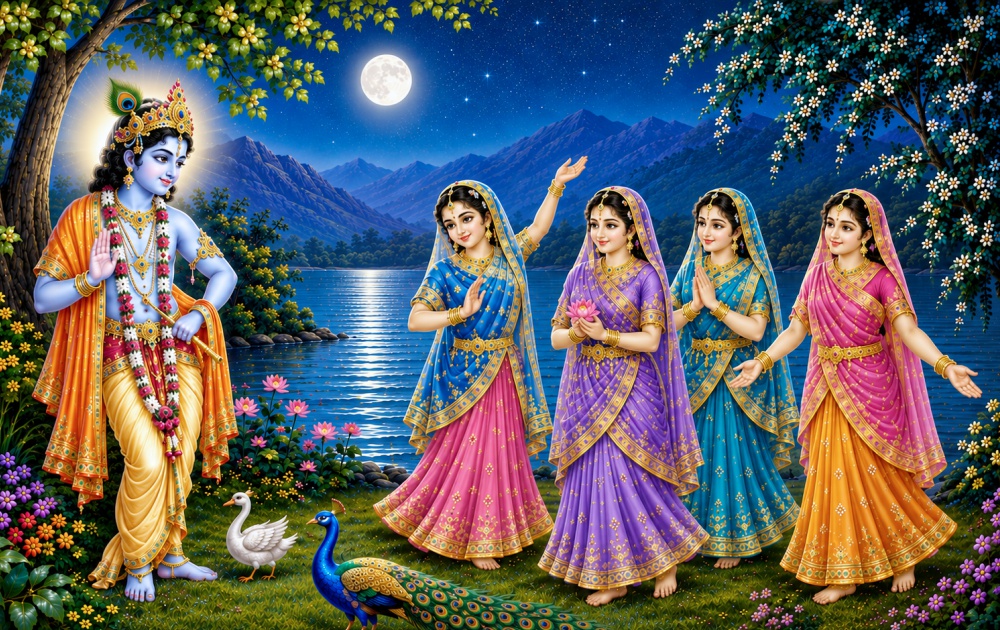
God Himself does not personally teach the soul. Seated within as the witness, He merely notes our actions and gives the results of those actions. He does not come directly to explain who He is, who we are, or how He is attained. He appears only when the mind becomes completely pure and divine. And even if He grants vision, the material senses cannot truly recognise His divine form, nor can human intellect understand His pastimes. When Shri Ram wandered in divine sorrow asking Lakshman, “Who am I? Who are you?” no human could grasp that divine ecstasy. When Shri Krishna snatched food from the Gopas’ (cowherd friends) mouths though He felt no hunger or thirst, no material intellect can judge such divine pastimes. Therefore, God does not descend to instruct the ignorant. That work belongs to the Guru, for only the Guru can make the incomprehensible understandable, bringing divine knowledge down to the level of the ordinary soul.
For this reason, the scriptures say one must approach the Guru with surrender, humble inquiry, and service- praṇipātena, paripraśnena, sevayā. Only the Guru can give the tattvagyan that reveals the nature of the soul, God, maya, and the paths of bhakti, karma, and gyan. Through the Guru one gains the ability to recognise clearly truth from illusion. Only by taking refuge in the Guru can one even recognise who a genuine Guru is. Without the Guru acting as the mediator between soul and God, no amount of devotion performed for infinite ages can result in God-realisation, for it is the Guru alone who gives the necessary guidance, correction, and grace.
The Guru accompanies the disciple through all three stages of spiritual advancement.
In the beginning, he gives foundational knowledge, shows where we are going wrong, and points out that true fulfilment cannot be found in the world. He redirects us toward the path of God, explaining in many ways that the direction of our life must change. God has never come personally to teach this to anyone; it is the Guru who arrives and explains the truth directly.
In the middle, when the mind wanders due to past impressions, the Guru patiently teaches the practical method of sadhana. Although a divine spiritual master, he sits like a student with us and instructs how to meditate on the divine form. He teaches how to sit, how to focus, how to constantly bring and attach the mind to Krishna. He is with us through every struggle of our spiritual practice, helping us refine our effort and progress steadily.
At the end, when the mind becomes pure through effort under his guidance, the Guru bestows divine power, grants Swaroop Shakti, transforms the mind into a divine instrument, and finally reveals God. He grants divine love, divine vision, and the experience of the Supreme. From the beginning, through every stage, up to the final attainment, the Guru is the one who does everything. His role spans the entire spiritual journey.
God and Guru are one, yet the individual soul benefits from a Guru. God gives the fruit of action; the Guru gives divine power and removes the bondage of lifetimes. God awaits purity; the Guru creates that purity. God remains hidden; the Guru comes directly into the world. God stays as the silent witness; the Guru becomes the active guide. Therefore, although God and Guru are one, the Guru’s practical role for the soul is unsurpassed.
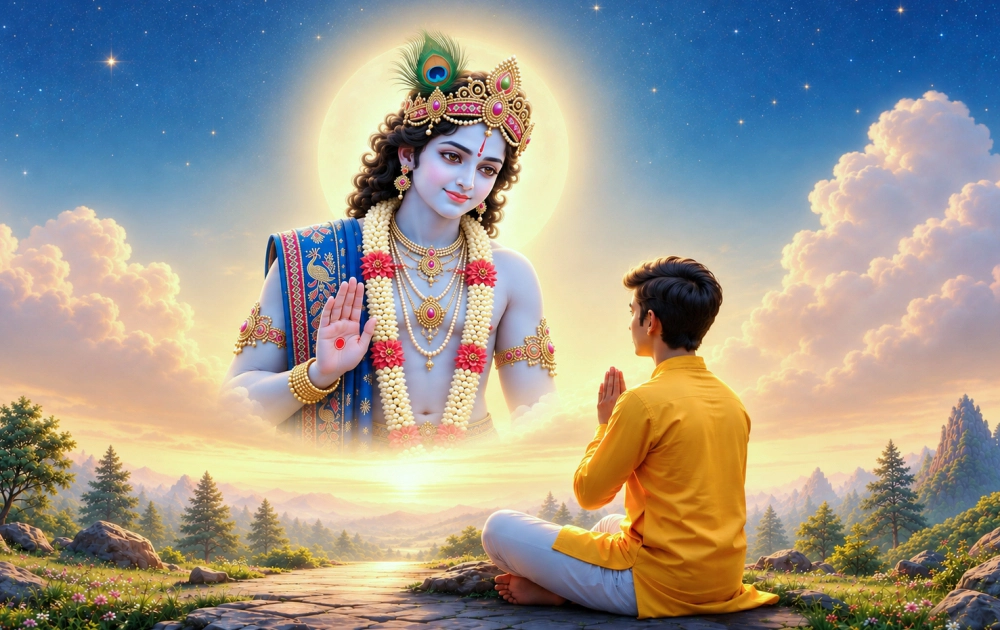
The Guru descends solely for the welfare of the soul. He bears hardships to uplift the disciple, carries the burden of the disciple’s spiritual progress, and patiently guides the soul step by step. He is the teacher, the guide, the protector, the well-wisher, and ultimately the one who unites the soul with God. Since eternity until now, infinite souls have attained the supreme goal only through surrender to the Guru. This is the eternal rule of God that the soul reaches Him only by the grace of the Guru.
Thus, the Guru guides, protects, purifies, and unites the soul with God. By sincerely following his instructions and remaining alert and devoted, one attains the highest goal by the Guru’s grace. This is the essence of Guru Tattva.